Chronicling the lives of influential and often forgotten figures.
The smartest in the room
"When vacancies happen in the Representation from any State, the Executive Authority thereof shall issue Writs of Election to fill such Vacancies.”
— U.S. Constitution, Article I, section 2, clause 4
Dear History Lover,
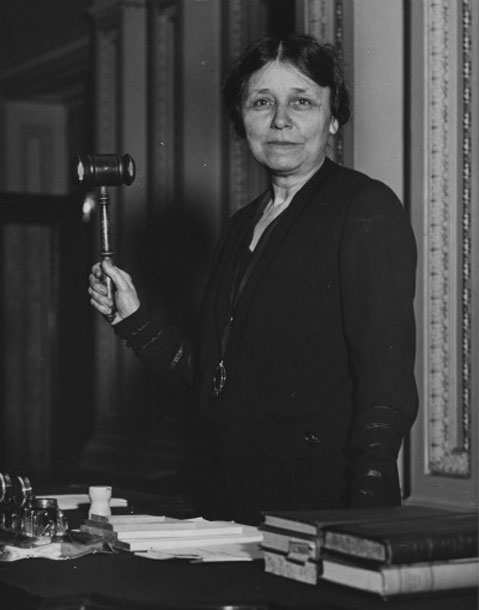
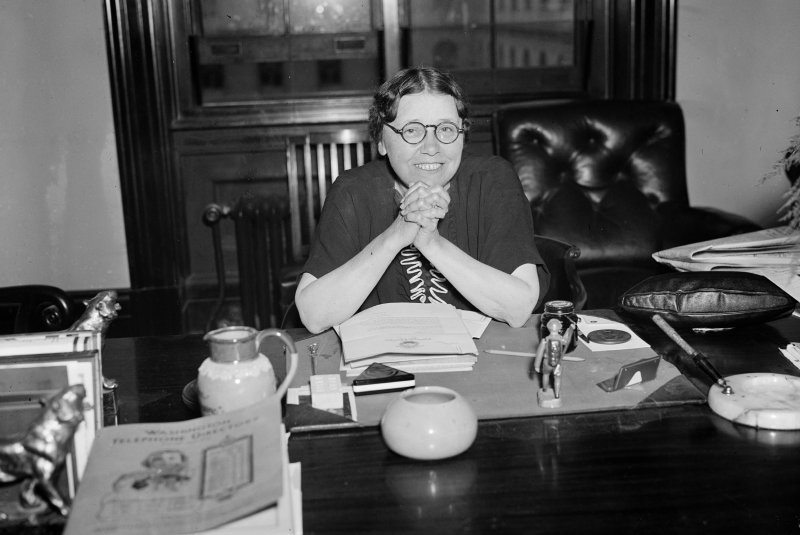
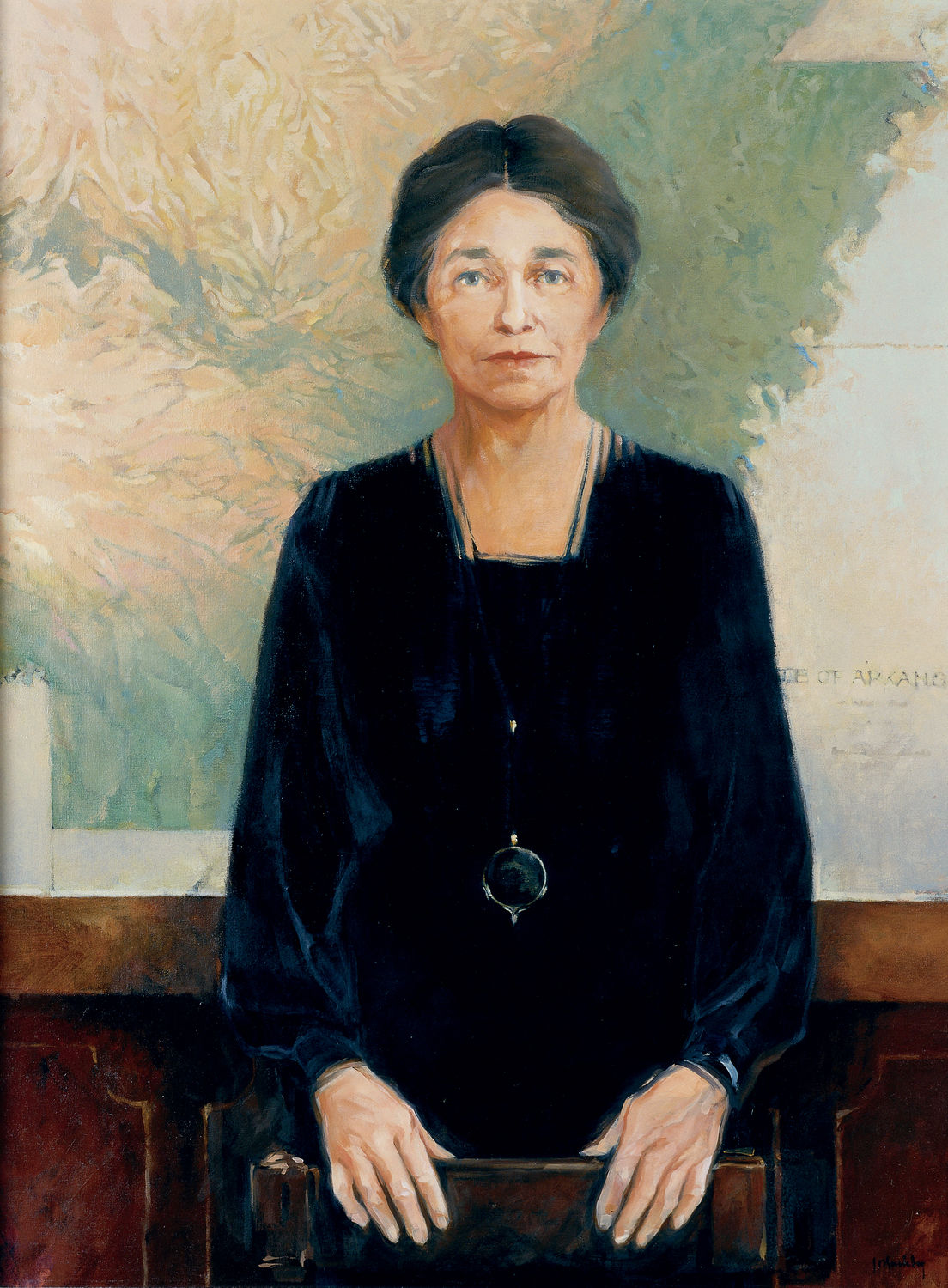
On January 12, 1932, Hattie Ophelia Wyatt Caraway accomplished something never done before. She was the first woman elected to serve in the
United States Senate. As monumental an occasion as it was, her initial catapult to Capitol Hill was unpleasant. The impetus for Hattie's election stemmed from death; she is one of 48 widows who have succeeded their spouse in Congress.
A mere two months earlier,
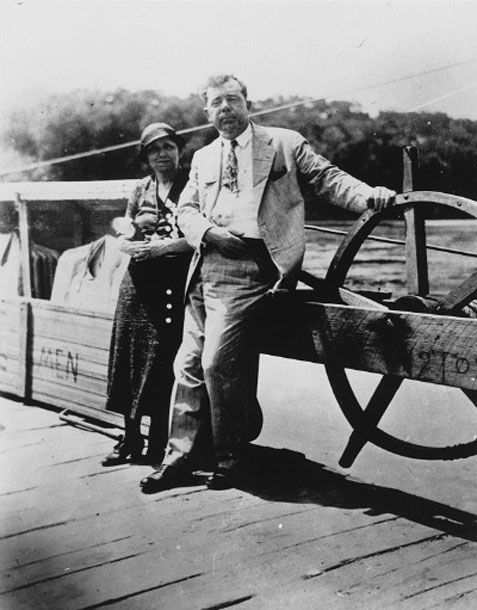
Thaddeus Caraway entered the St. Vincent’s Infirmary, in Little Rock, AR having suffered a kidney stone. All signs pointed to a speedy recovery, however, on November 6th, Thaddeus died of a coronary thrombosis. Arkansas Governor Harvey Parnell appointed Mrs. Caraway to serve as interim Senator until a special election could be held in January. Hattie won the special election and continued to serve in the U.S. Senate until the completion of her husband's term.
The consensus at that time was that Hattie would walk away from her post, having served both her civic and marital duties. There were six men-- prominent Arkansans-- who put their names in the running to succeed her. There was Former Arkansas Governor Charles H.
Brough; Former National Commander of the American Legion Melbourne M. Martin; Former Sheriff of Pulaski County W.G. Hutton; Former National Commander of the American Legion and prominent businessman O.L. Bodenhamer; Democratic National Committeeman Vincent M. Miles: and a former state Senator W.F. Kirby. And yet,
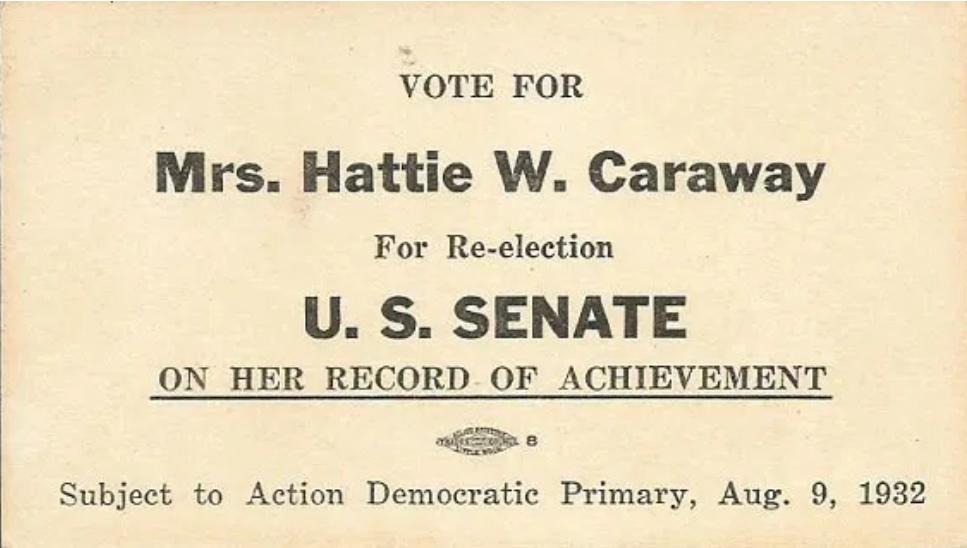
Hattie sought reelection.
Her campaign platform sought to address rising economic concerns during the bleakest Depression years. “I stand for the economy in government, state and federal; legislation that is going to work
toward relief of the people who really need relief - the man who is losing his home, and the man who has lost his job, and the farmer who cannot get the cost of production for his products.” While opponents dismissed Hattie's candidacy, they were unprepared to address the widespread Arkansan constituents' economic concerns. Former Sheriff Hutton thought the best solution to end the fiscal crisis was the repeal of the 18th Amendment (Prohibition). Bodenhamer called for federal farm relief and
Martin advocated for immediate veterans' bonuses for the Great War.
“We're here to pull a lot of pot-bellied politicians off a woman's neck.”
- Senator Huey P. Long
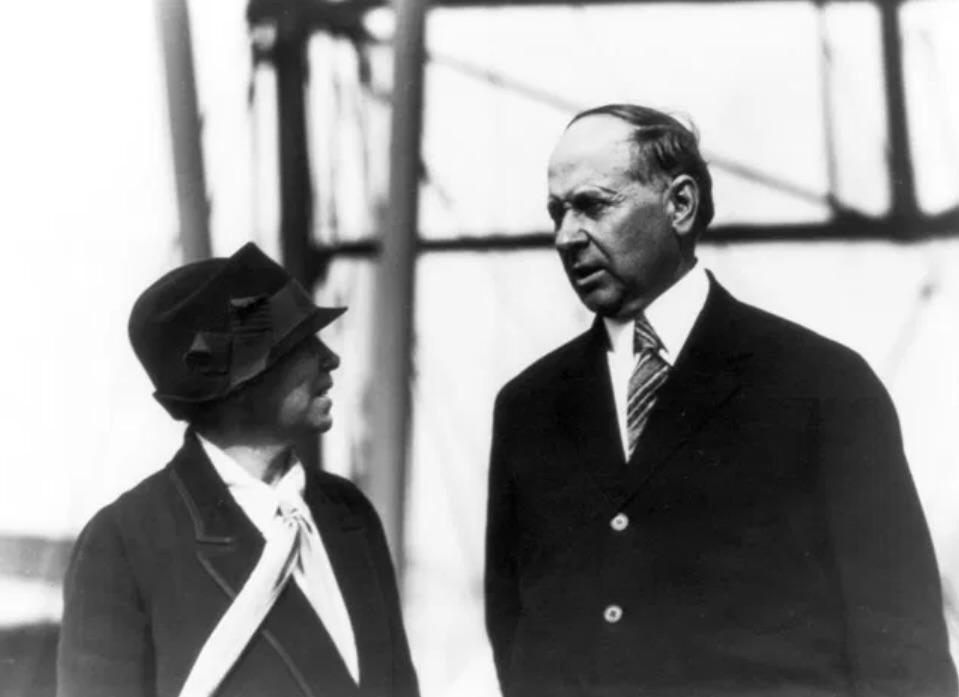
To meet her constituents and exercise her voice, "Silent Hattie" embarked on a week-long, statewide tour with Louisiana Senator "Kingfish" Huey Long. “We're here to pull a lot of pot-bellied politicians off a woman's neck,” Long would say. 7 days. 31 counties.
The plan was simple: Hattie would speak first. Her speech would be brief; a 5-minute message
promising to “let the men do most of the talking.” She reaffirmed an oath to act in the best interests of the people.
At first, Hattie was awkward, not accustomed to public speaking. As she watched and listened to the charismatic "Kingfish," she became more purposeful and powerful. It was said that Huey never gave the same speech twice and that he would modify his delivery
based on the audience appearance. By the end of the week, the duo had delivered 39 speeches across 31 counties. The statewide tour worked.
When the votes were tallied, 128,000 were cast for Hattie. Bodenhamer came in a distant second with 64,000 votes. In the 31 counties that Hattie and Huey had visited, she won 94% of the vote. Of the 44 counties they did not visit, she also won 32. Her brevity and quietude resonated with Arkansas.
Hattie Caraway served two full terms in the Senate following her interim Senatorial term. Thus, she is not only the first woman elected to the Senate, but the first woman to be re-elected. Her quiet and effective tenure as a public servant spanned from November 13, 1931 – January 3, 1945. In her 14 years on Capitol Hill, she took the Senate floor to speak a mere 15 times. "Silent Hattie Caraway" was a
power-house committee chairwoman who kept her promise. She let the men do most of the talking, so she could accomplish goals to serve the great people of Arkansas. The quietest person on Capitol Hill is often the smartest.
*With
support from Uriel Ramos and Olivia Winters.
HOT off the PRESS!
On January 28, we remembered the final flight of NASA's Challenger space shuttle.
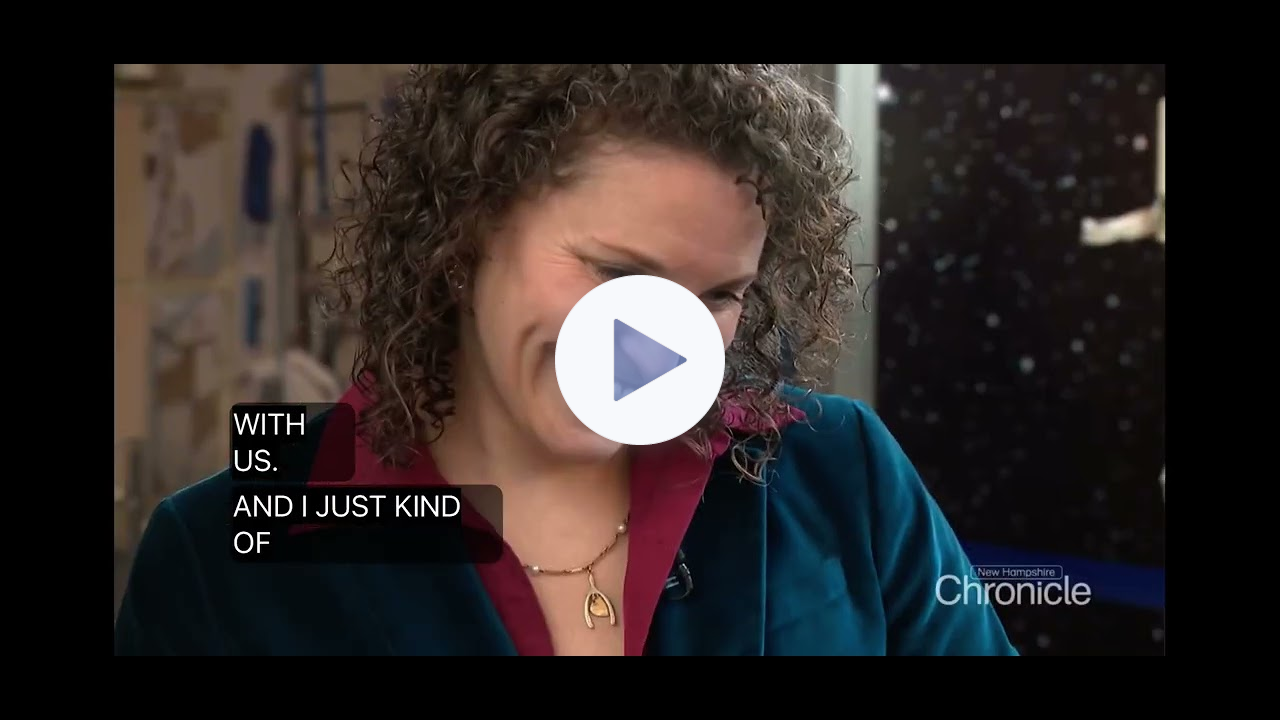
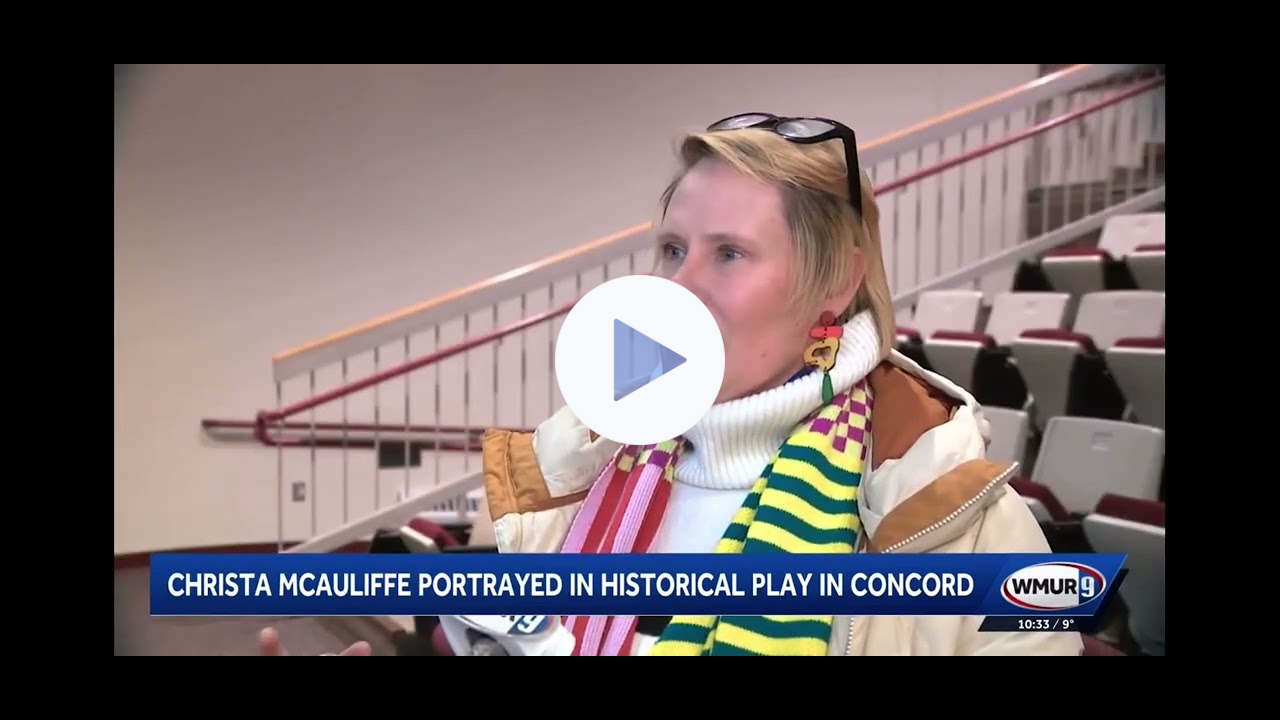
40 years ago, Challenger took the skies one last time and with her, took the lives of her crew, including "Teacher in Space" Christa McAuliffe. We were honored to perform CHALLENGER: Soaring with Christa McAuliffe™ for the McAuliffe-Shepard Discovery Center, in Concord, New Hampshire. NH Chronicle and WMUR-TV featured the story.
Hear Ye, Hear Ye!
In April 2026, we will transition our e-newsletter to Substack. SUBSCRIBE NOW so you don't miss any history!
PUBLIC EVENTS
All performances are IN-PERSON, unless otherwise indicated, and may be performed by any member of History At
Play™.
We do not list private events, unconfirmed events, nor school assemblies. If you believe there is an error, please email BoxOffice@HistoryAtPlay.com. We
recommend verifying event details with the client.
Editor's Correction: In our last
newsletter, we wrote that President Franklin D. Roosevelt repealed the 18th Amendment. The 18th Amendment was repealed by the 21st Amendment, which wasproposed by the 72nd Congress on February 20, 1933, and ratified by the requisite number of stateson December 5, 1933.
You have received this message because you have signed up for our mailings; corresponded with History At Play™, LLC; purchased a ticket or attended a program; or registered for a conference at which History At Play™, LLC was
a vendor/exhibitor.