From changing U.S. law to toppling foreign governments
Chronicling the lives of influential and often forgotten figures.
A president interferes
Dear History Lover,
Imagine awakening on a cold winter morning in 1933-- a time of uncertainty. Shoes are patched with tire rubber and the aroma of cabbage soup
abounds. Corn cobs fuel the family furnace. Twenty-five percent of the United States populace is unemployed as a seemingly inexorable depression lingers, and bootleggers vie for what little money is left with the temptation of ‘bathtub liquor.’ Franklin D. Roosevelt-- inaugurated March 4 of that year-- is 9 months into his presidential administration's first term. He has promised change and on December 5, 1933, he delivers by repealing the 18th Amendment to the Constitution of the United
States.
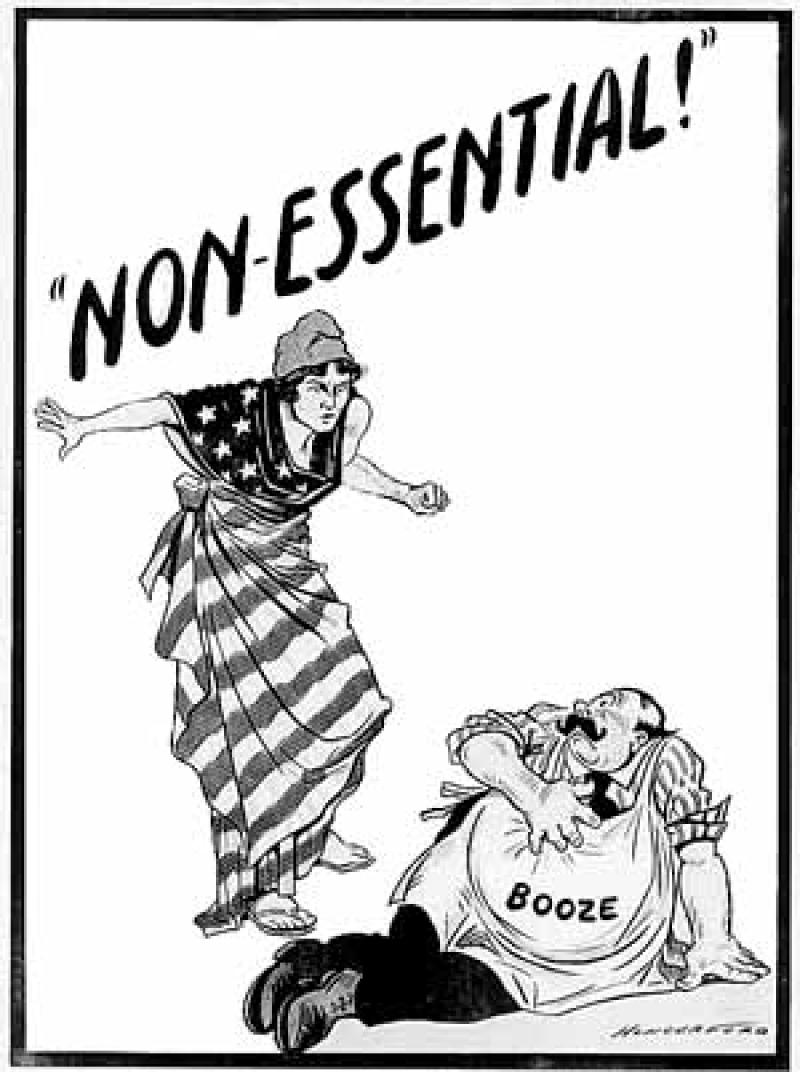
The 18th Amendment, prohibiting the manufacture, transportation, and sale of alcohol, led to an epidemic of organized crime and nefarious bootlegging; selling unregulated, noxious liquor on the black market. Since January 16, 1919, the United States had declared a war on alcohol, decrying it as a destructive weapon, but the war on EtoH ended in defeat. Its armistice, the 21st Amendment, permitted the sale and consumption of alcohol without age restriction. Legend has it, President Franklin D. Roosevelt enjoyed a martini that very evening.
Global powers
have been fighting socio-political wars on drugs as long as they have engaged in military warfare. American Civil War soldiers returned home from the front addicted to morphine. "Forced March"
pills of The Great War, popular in Britain, converted strong soldiers to cocaine veterans, and WWII's infamous "Pervitin" was more common than coffee, morphing Germany, and later, the world, into
amphetamine abusers.
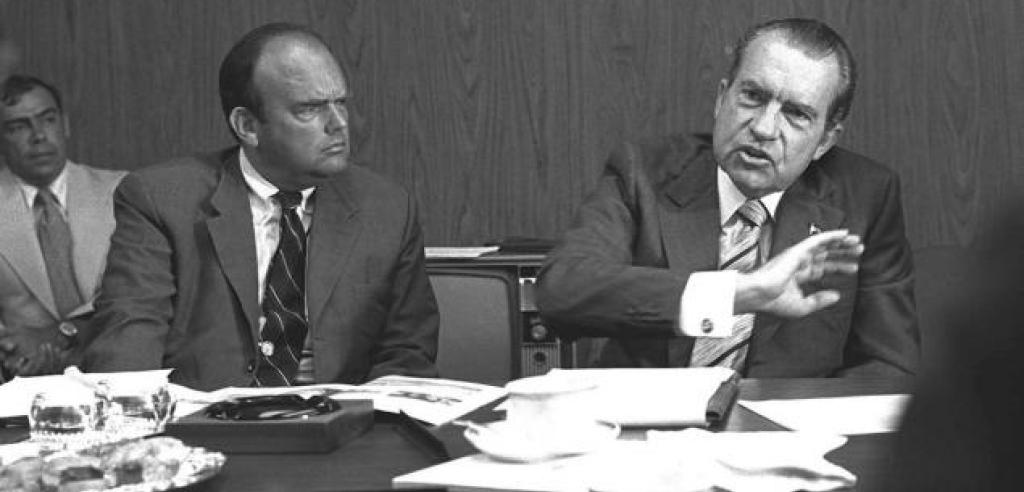
America's War on Drugs, declared by President Ronald Reagan on October 14, 1982 was marked by government-led initiatives and aggressive military actions aimed at combating narco-terrorism, including the United States' "... extensive use of herbicides, usually applied aerially, to destroy opium, marijuana, and coca crops" in Latin America. President Reagan aimed to stop illegal trade, distribution, and use of illicit and recreational substances by increasing funding for law enforcement, militarizing interdiction efforts, expanding federal
powers for asset seizure, and launching campaigns like "Just Say No," with multi-agency task forces enforcing drastic prison sentences for dealers and users. In the United States'
Prohibition Era, the nation saw similar federal intervention.
Even
pop culture and educational campaigns, featuring video propaganda and advertising posters slathered on school walls, utilized outlandish media to hyperbolize the dangers of drug use. Prohibition programs such as D.A.R.E. were proficient at teaching students how to use and where to find drugs, or, in the event that they couldn't find them, how to use household goods, such as correction fluids ("Wite-Out"), permanent markers ("Sharpies"), whipped cream canisters, or any other aerosol can as inhalants, an act known as "huffing."
"This Is Your Brain On Drugs" 1980s Drug-Free America Video Campaign
Even the inception and rise to power of Latin American cartels is traced to U.S. governmental interference, as demonstrated by the CIA's website, which states, "... the CIA has been, from its inception, a major source of opium, heroin, and now crack..." in a 68-page editorial that was published in 1987, and declassified on 3 June 2010. A further examination shows that CIA contractors, known as "economic hit men," decimated developing nations by disseminating exorbitant loans for infrastructure projects that would ultimately bankrupt and topple governments, clearing pathways for cartels to rise to power. This
subtle form of economic U.S. imperialism raged during the 1970s, 80s, and beyond and is exposed in John Perkins series of books entitled Confessions of an Economic Hitman.
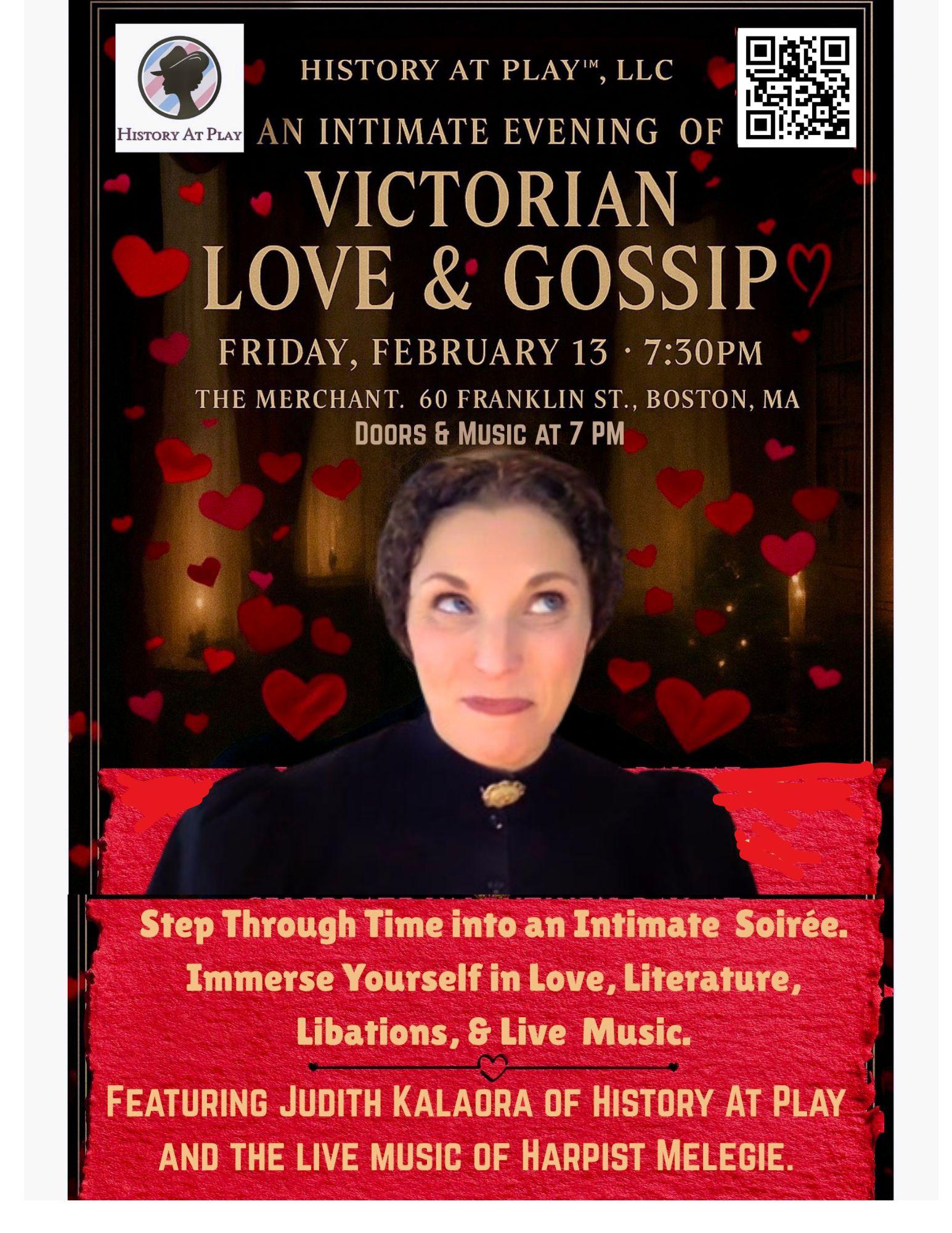
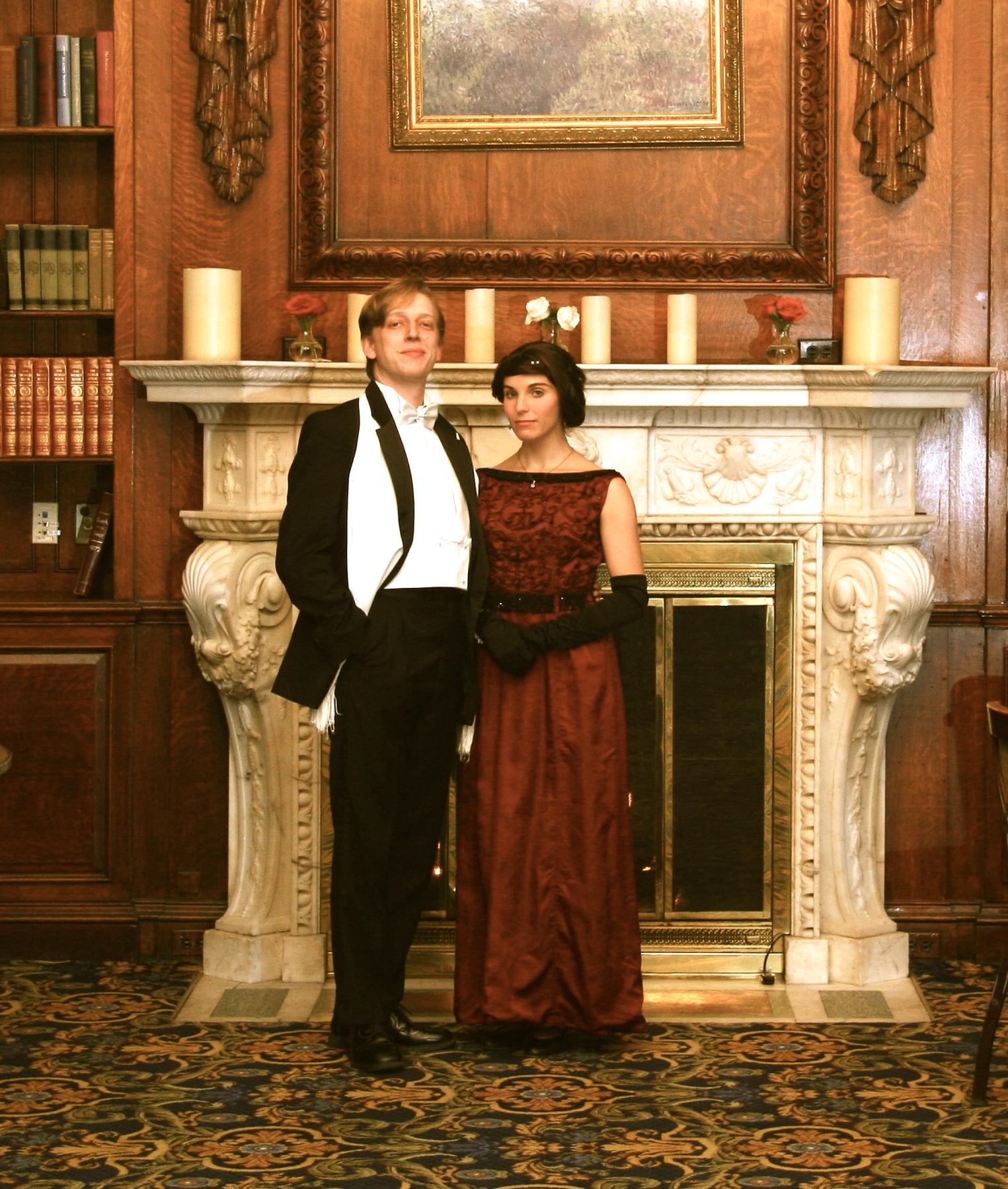
History Lovers who purchase a ticket to A Downton Experience at Endicott Abbey (January 31) receive 20% OFF tickets to our Victorian Valentine's Eve Soirée (February 13). Reply with a screenshot of your ticket confirmation for the promo code. Celebrate with Valentines, GAL-entines, & PAL-entines!
Upcoming
Public
Events
PUBLIC EVENTS
All times listed are Eastern Time (UTC-5).
All performances are
IN-PERSON, unless indicated otherwise, and may be performed by any member of History At Play™. Click production titles for info.
NOTE: We do not list private events nor school assemblies.
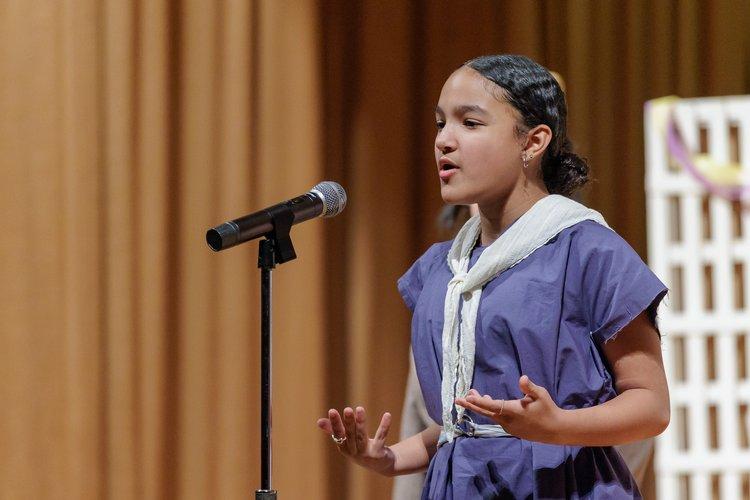
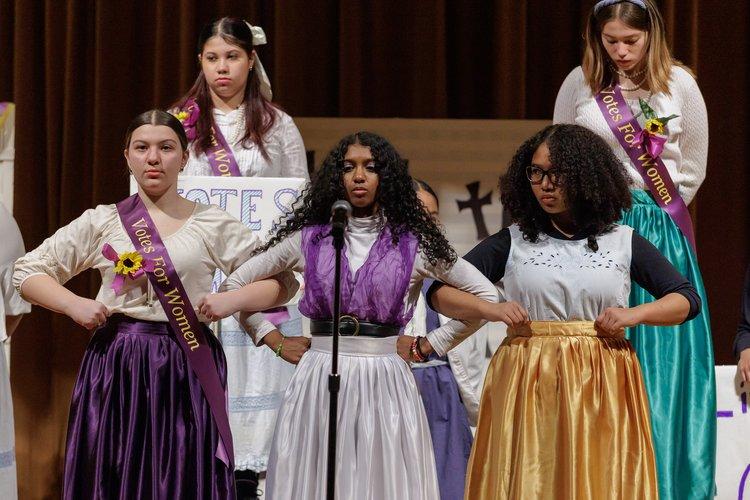
History At Play™ is collaborating with middle schoolers, teaching the art of living history, while producing and directing a rendition of
How Long Must We Wait?™ (commissioned by MWHC, 2019). Read about our 2025 residency
(p.4).
Editor's Correction: In our last
newsletter, we incorrectly stated that Emily Roebling carried a rooster across the Brooklyn Bridge on its opening day, when, in fact, the ceremony occurred one week prior to the official bridge opening.
You have received this message because you have signed up for our mailings; corresponded with History At Play™, LLC; purchased a ticket or attended a program; or registered for a conference at which History At Play™, LLC was
a vendor/exhibitor.